

Wild Atlantic Way Coastal Paths
Spectacular cliff-edge walks and beach routes along Ireland's western coast. We've picked the best sections for dramatic views and manageable distances.
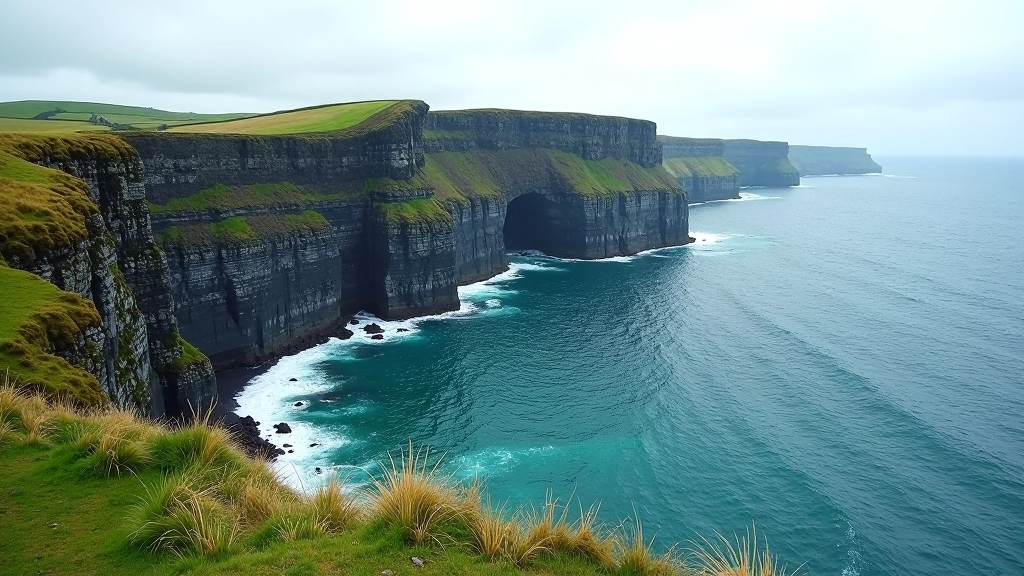
The Wild Atlantic Way stretches 1,600 kilometers along Ireland's west coast — from Donegal in the north to Cork in the south. It's one of the world's longest coastal driving routes, but the real magic happens when you step out of the car and explore on foot.
You don't need to tackle the entire route. We've identified five standout sections where the walking is genuinely spectacular. Each one takes between 2 to 4 hours depending on your pace and how often you stop to soak in the views. The paths range from easy coastal strolls to more challenging cliff-top hikes.
What makes these sections special? They're the places where the Atlantic really shows itself — towering sea cliffs, hidden coves, wild beaches with minimal crowds. Conditions change quickly out here, so we've included practical tips for each route to help you prepare properly.
Sléive League: Donegal's Tallest Sea Cliffs
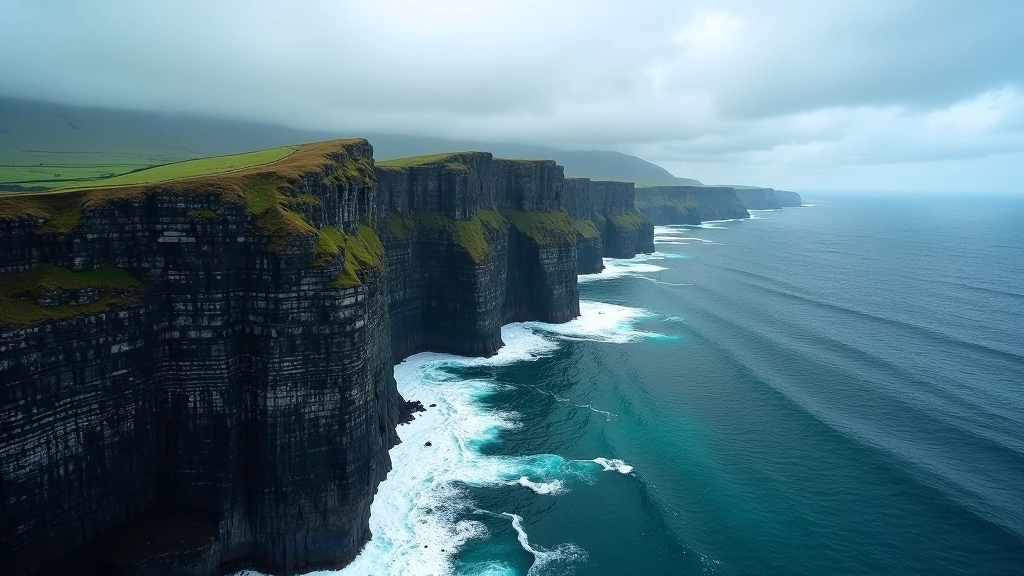
Sléive League in County Donegal holds a distinction — these are some of Europe's highest sea cliffs, reaching nearly 600 meters at their peak. The walk itself doesn't feel extreme though. You're not scrambling up vertical rock faces.
The main route follows the One Man's Path, a narrow trail that hugs the cliff edge. It's about 8 kilometers return from Bunglas car park. The path starts relatively gently, climbing through moorland. Once you reach the cliff proper, the drop opens up beneath you — it's genuinely awe-inspiring but the path itself remains solid underfoot.
Essential Details
- Distance: 8km return
- Duration: 3 hours
- Difficulty: Intermediate
- Best season: May to September
- Parking: Bunglas car park (free)
The final section to the summit gets steeper and requires some careful footwork, especially if conditions are wet. We'd avoid this route after heavy rain — the ground becomes slippery and visibility drops quickly. On clear days though, you can see across to the Aran Islands and Galway Bay.
Cliffs of Moher: The Famous Path Less Taken
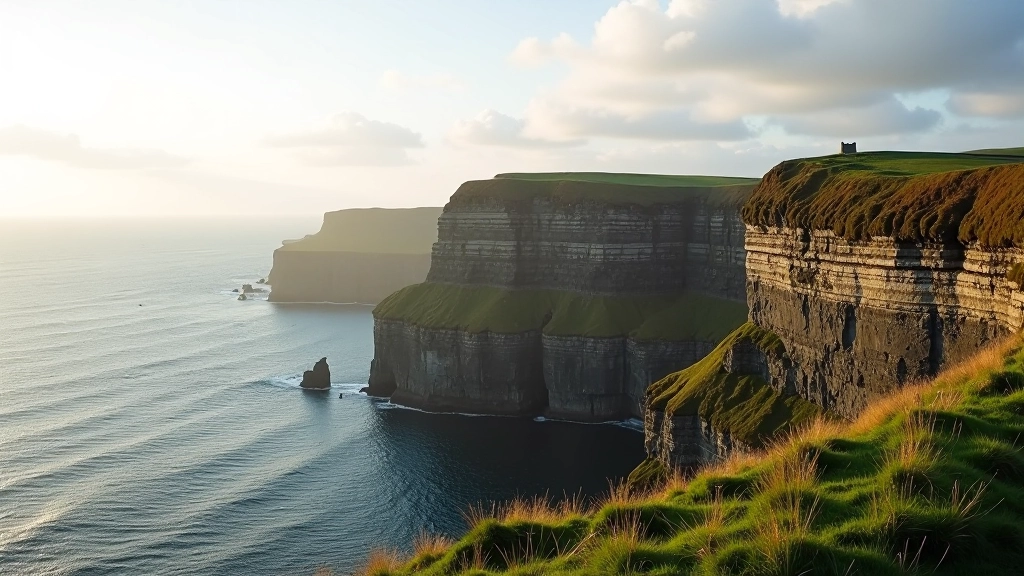
The Cliffs of Moher get crowds — it's understandable when you see them. Rising 214 meters straight up from the sea, they stretch for 8 kilometers along the Clare coast. But most visitors stick to the visitor center area and the obvious viewpoints.
The walk we recommend starts at Doolin, heading north along the cliff top toward the main cliffs. It's quieter, more authentic, and you're walking at your own pace rather than navigating throngs of tour groups. The path follows the cliff edge with the Atlantic constantly in view. You'll pass through farmland initially, then the landscape opens up as you approach the cliff proper.
This is where you get a genuine sense of scale. These aren't pretty postcard cliffs — they're raw, weathered, and genuinely dramatic. The wind can be ferocious, especially in winter. We've seen people literally struggle to walk forward in gusts. Even in calmer conditions, stay well back from the edge. The ground is unstable in places and the drop is unforgiving.
The return journey is roughly 10 kilometers. You can push yourself and do it in 2.5 hours, or take your time and spend 4 hours. Either way, you'll have seen more of these cliffs than most visitors ever will.
Mizen Head: Ireland's Southernmost Point
Mizen Head in County Cork sits at the southwestern tip of Ireland. It's where two seas meet — the Atlantic and the Celtic Sea. The landscape here feels different from other coastal areas. The cliffs are lower (around 150 meters) but more jagged, and the sea is usually rougher with stronger currents.
The walk to Mizen Head itself is straightforward — about 3 kilometers return from the visitor center car park. You'll pass through windswept grassland and coastal scrub. The final section leads to a dramatic rocky promontory where a signal station sits. From here, you can see the meeting point of the Atlantic and Celtic Sea, though on most days the distinction is more about wave patterns than anything else.
"This is where land ends. Standing at Mizen Head, you're at the edge of Ireland looking out at nothing but open ocean until you hit the Americas."
The rock formations here are fascinating if you're interested in geology. You'll see bands of different colored stone, evidence of volcanic activity millions of years ago. The visitor center has displays explaining the geology, but honestly, just walking around and observing the raw landscape tells you most of what you need to know.
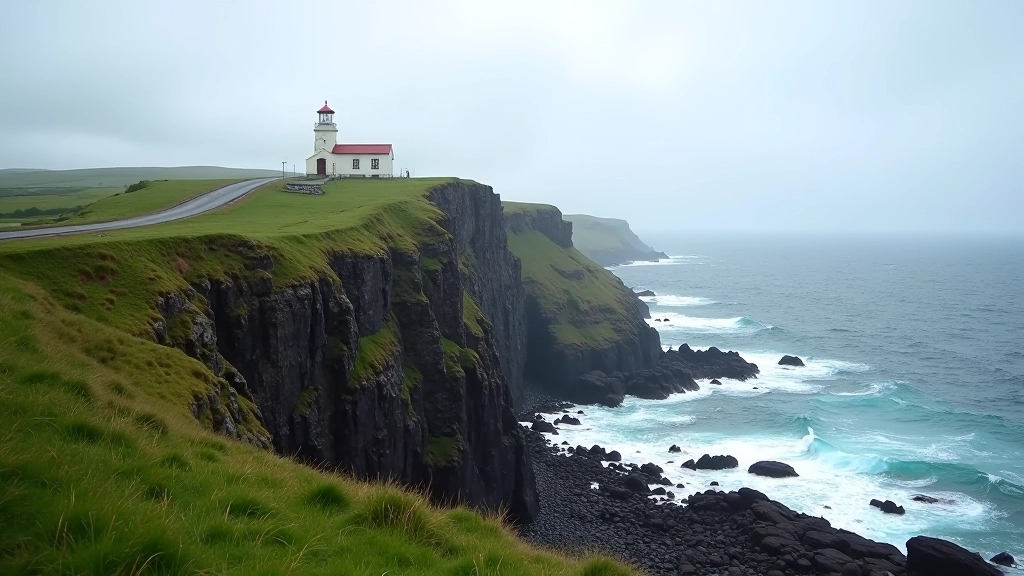
This section isn't about dramatic height — it's about location and the sense of standing at the literal edge of the country. On clear days, you can spot Fastnet Rock lighthouse about 10 kilometers out to sea. It's the southernmost lighthouse in Ireland and guides shipping safely past these notoriously treacherous waters.
Dunquin to Blasket Islands: A Dingle Peninsula Classic
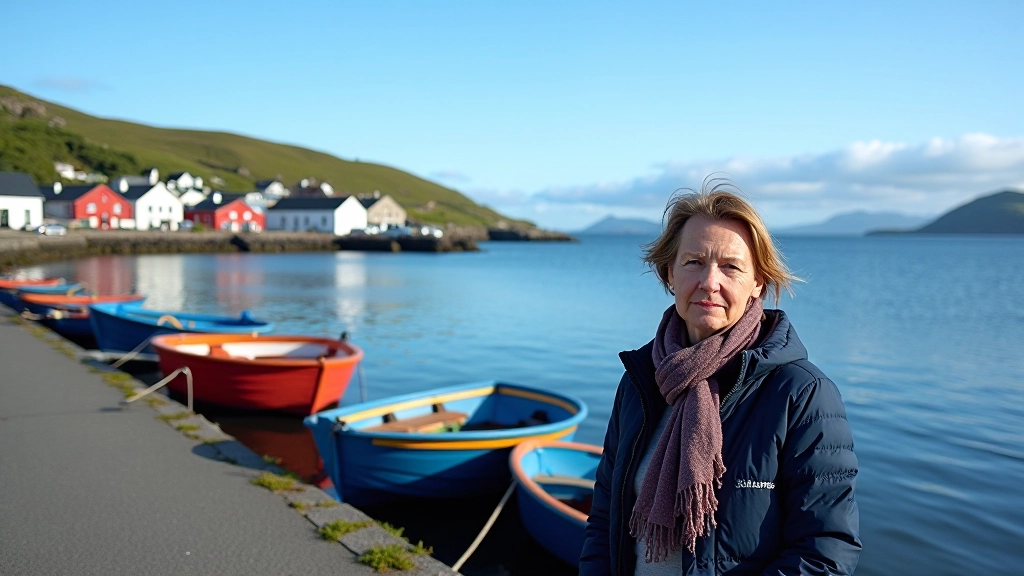
The Dingle Peninsula juts into the Atlantic like a finger pointing west. Dunquin sits near the tip, and from here you can take boats out to the Great Blasket Island — an abandoned island community that was inhabited until 1953. The ferry journey alone is spectacular, with seals often visible in the water and sea birds wheeling overhead.
Once on the island, you can walk around the abandoned village and follow paths across the island's interior. The main walking route climbs to the island's highest point, offering 360-degree views back to the Dingle Peninsula and across the Atlantic. It's about 5 kilometers of walking total, mixed terrain with some steep sections.
The history here is palpable. The ruins of houses, churches, and schoolhouses remain scattered across the island. Families lived here for centuries before isolation and limited economic opportunity led to eventual evacuation. There's something moving about walking through a landscape shaped by human habitation that's now returned to nature.
Ferries run weather-dependent — and the weather out here changes rapidly. You need calm seas for the crossing. Summer months offer the most reliable service. If you can't reach the island, the coastal walk from Dunquin pier heading east toward Slea Head is still worth doing. The cliffs here rise to about 300 meters and the views are consistently impressive.
Practical Tips for Coastal Walking
Weather Changes Quickly
You can start in sunshine and be in fog within 20 minutes. Always carry a waterproof jacket and check conditions before you leave. Wind speeds can double without warning, especially at higher elevations.
Footwear Matters
Proper hiking boots with ankle support are essential. These paths can be wet, muddy, and uneven. The right footwear prevents twisted ankles and gives you confidence on steep sections. Don't attempt these routes in trainers.
Stay Back from Edges
The ground at cliff edges is often unstable. Grass that looks solid might conceal undercut earth. People die falling from these cliffs every year. Respect the danger and stay well back from any edge.
Bring Water and Snacks
These routes don't pass through towns or shops. Carry at least 2 liters of water and some energy snacks. The effort is steady rather than intense, but you'll feel it after a few hours.
Sun Protection
The Atlantic reflects sunlight intensely, especially on water. You'll burn faster out here than you expect. Sunscreen, hat, and sunglasses are essential even on cloudy days.
Tell Someone Your Plans
Let someone know where you're walking and when you expect to be back. Phone coverage is spotty in many areas. If something happens, knowing where you went matters for rescue efforts.

Related Guides

Important Notice
This guide provides general information about walking routes on the Wild Atlantic Way. Conditions vary seasonally and weather can change rapidly. Always check current conditions before setting out, wear appropriate gear, and consider your own fitness level when selecting a route.
Coastal areas present genuine hazards including unstable ground, strong winds, sudden fog, and powerful currents. The information here is educational and based on typical conditions, but it's not a substitute for proper preparation and local knowledge. If you're unfamiliar with these areas, consider hiring a local guide or joining an organized walk.