
Phoenix Park isn't just another green space in Dublin — it's one of Europe's largest enclosed parks, and honestly, it deserves a proper visit. Whether you're a casual walker looking for an hour in fresh air or someone who wants to spend the whole day exploring, there's something here for you. We've mapped out the best routes and what you'll actually encounter on each one.
The park opened to the public in 1747 and it's remained relatively unchanged. You'll walk past centuries-old trees, spot wildlife you didn't expect to find in Dublin, and discover corners that feel completely removed from the city.
The Main Loop: A Classic Full Circuit
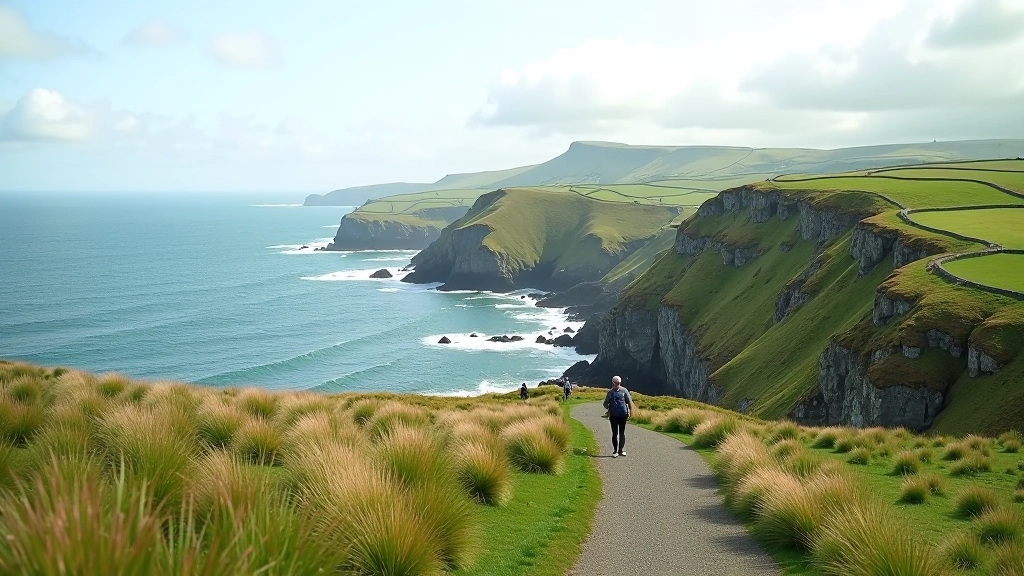
If you want the signature Phoenix Park experience, the main loop around the park's perimeter is where to start. It's approximately 10 kilometers, though you can cut it short at various points. The path is well-maintained and relatively flat, which means you won't be struggling with elevation changes.
You'll pass the Papal Cross on the way — erected in 1979 for John Paul II's visit. The surrounding meadows are where you're most likely to spot the park's fallow and sika deer herds. They're genuinely impressive when you see them up close, though they're not aggressive. Just respect their space and you're fine.
Route Essentials
- Distance: 10 km
- Time: 2.5 to 3.5 hours
- Terrain: Flat, well-paved
- Difficulty: Easy to moderate

The Lakeside Route: Quieter & More Intimate
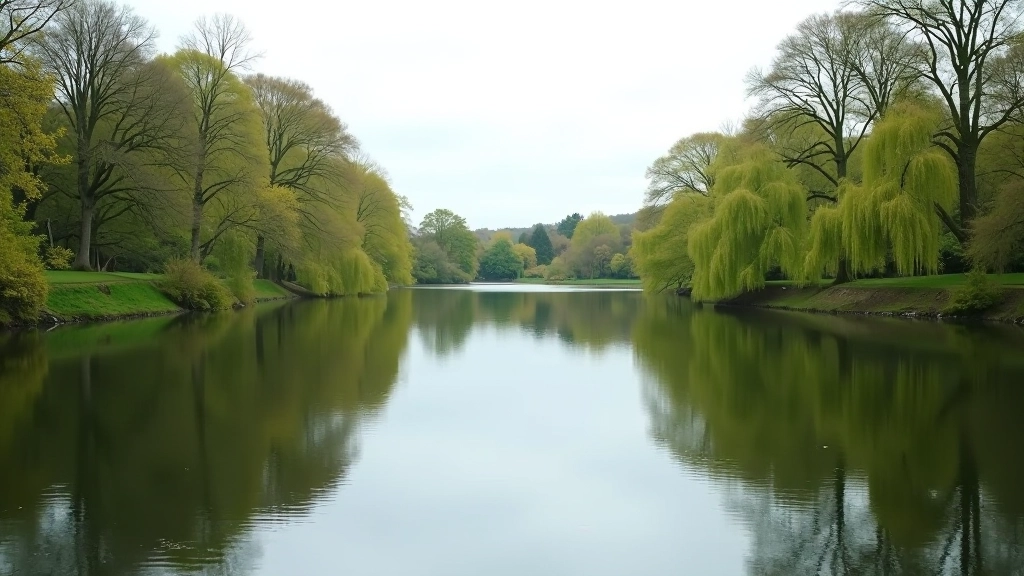
If the main loop feels too crowded or you want something shorter, the lakeside paths offer a completely different vibe. You're walking much closer to nature here, with the water reflecting sky and trees. It's peaceful in a way the perimeter route sometimes isn't.
The walks around the lakes — there are actually several smaller ones throughout the park — take about 45 minutes to an hour depending on which sections you cover. Birdwatchers love these routes. You'll see coots, mallards, and if you're lucky, herons hunting along the banks. Bring binoculars if you're interested in that sort of thing.
The ground here is softer than the main paths. If it's been raining, wear proper walking shoes. That said, it's more interesting than pavement once you get muddy footsteps out of your head.
Forest Trails: The Quiet Interior
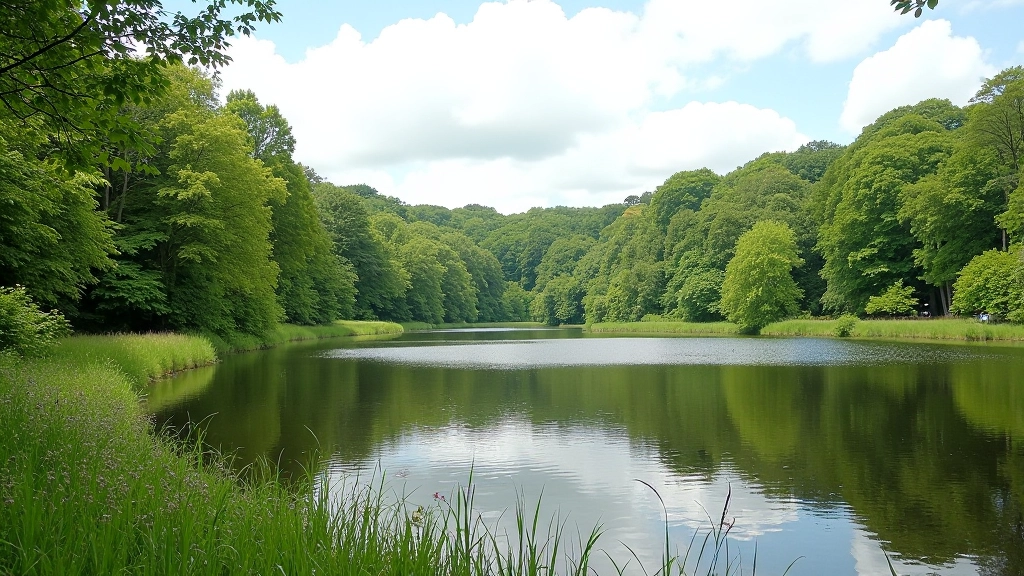
What most casual visitors miss are the interior forest trails. These wind through the wooded sections and feel genuinely remote even though you're in Dublin. The tree cover is dense — oak, beech, and Scots pine mostly — which makes these routes brilliant on hot days. You'll drop several degrees just walking into the shade.
"You can walk for 20 minutes and completely lose sight of the park boundaries. It genuinely feels like you've left the city."— Regular visitor feedback
These trails aren't as heavily marked as the main routes. You won't get lost — the park's not big enough for that — but bring a basic map or use your phone's offline maps. The surface varies. Some sections are leaf-covered and slightly uneven. Others are compact earth that's firm year-round.
Distance varies wildly depending on which trails you link together. Most people spend 1.5 to 2.5 hours exploring without covering the same ground twice.


What to Expect: Wildlife & Natural Features
The deer are the main draw for most people. There are roughly 500 fallow deer and 200 sika deer living in the park. They're semi-wild, which means they're used to humans but aren't tame. Don't approach them or try to feed them. That said, you'll see them regularly on most walks. Early morning or late afternoon is when they're most active.
Beyond the deer, you've got rabbits, foxes (nocturnal mostly), and an impressive bird population. The park's designated a Special Protection Area for birds under EU law. That's not just bureaucratic — it means the habitats are actually protected and managed for wildlife. You'll notice the difference compared to other Dublin parks.
Facilities are decent but not everywhere. There's a visitor center, cafes, and toilets at various access points. Once you're deep in the interior trails, there's nothing. Plan accordingly — bring water, especially in warmer months.
Getting Started: Practical Details
Phoenix Park is free to access. There are multiple entry points — Parkgate Street is the most central, but there are gates all around the perimeter. If you're driving, parking is available though it fills up on weekends. Honestly, if you're in Dublin proper, taking the bus or walking to the park is simpler than dealing with parking.
Best time to visit? Spring and autumn give you mild weather and fewer crowds. Summer weekends get busy. Winter's quiet and you get different light, but you'll need proper weather gear. The park doesn't close — you can walk there at any time, though it's obviously less safe after dark.
We've described the main routes here, but honestly the best way to experience Phoenix Park is to pick an entry point and wander. You can't really go wrong. Even if you just do 30 minutes along the lakeside or a quick loop around the meadows, you'll see why Dubliners keep coming back.
Ready to explore other Dublin outdoor spaces? Check out our guide to the best parks and trails in the greater Dublin area.
Browse More Irish Trails
Important Notice
This guide is informational and educational in nature. Walking routes and park conditions can change due to weather, maintenance, or unforeseen circumstances. We recommend checking with Phoenix Park's official visitor information before your visit for any current closures or updates. Always wear appropriate footwear, bring sufficient water, and inform someone of your planned route. Weather conditions can change rapidly — dress in layers and be prepared to adjust your plans. The park is a natural area with wildlife; respect animals and maintain safe distances.
Explore More Irish Parks & Trails