
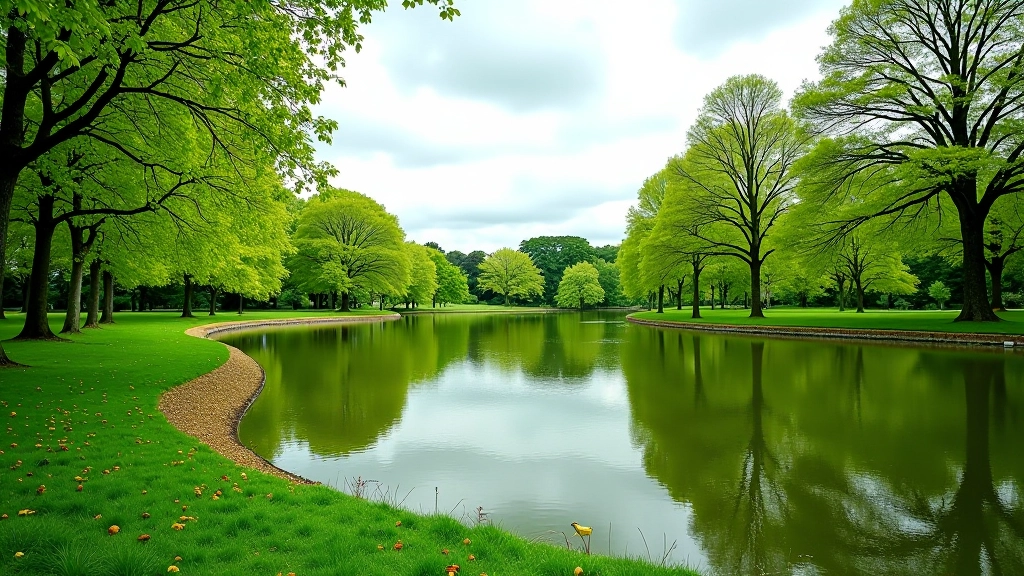
Ballinastoe Mountain Bike Trails
Technical single tracks and flowing descents near Wicklow
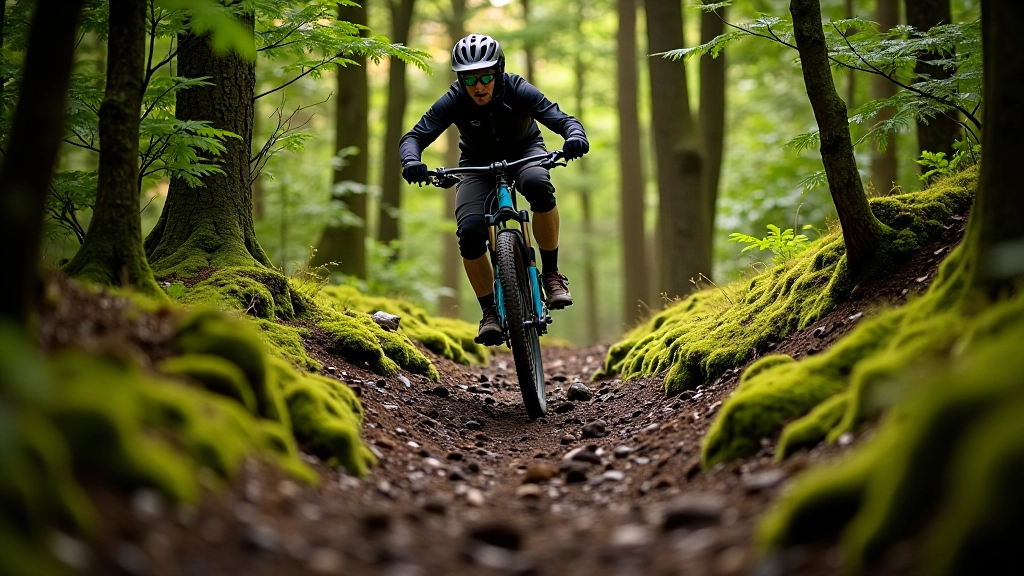
Where Wicklow Gets Serious
Ballinastoe isn't your gentle forest loop. This trail network sits high in the Wicklow Mountains where the terrain gets gnarly — steep rocky sections, bermed corners, and jumps that separate the casual riders from the committed ones. We're talking 380 meters of elevation change across the main descent, natural rock gardens, and a flow that rewards riders who know what they're doing.
The trails here have evolved over years of local shaping and natural weathering. You'll find everything from technical beginner practice zones to advanced single track that demands real bike handling skills. Most people spend a full day here — the variety keeps things interesting, and you're not constantly repeating the same route.
380m
Vertical descent on main run
6
Major trail options
2-4hrs
Full session time
Understanding the Terrain Breakdown
The trail system splits into clear difficulty zones. The upper plateau has the beginner-friendly stuff — mostly smooth fireroad and wide single track. It's where you warm up and get your legs spinning before committing to the serious stuff below.
Drop down into the middle section and things tighten up. You'll encounter moderate rock gardens — nothing impossible, but you need clean lines. The bermed turns here are the real deal. If you've practiced cornering technique, you'll notice how well-shaped they are. Speed flows naturally through them when you get the line right.
The lower descent is where most people's hearts start racing. Steeper pitches with loose rocks, technical root sections, and the occasional natural jump feature. You're not walking it, but you're also not mindlessly charging. It demands respect and solid fundamentals.
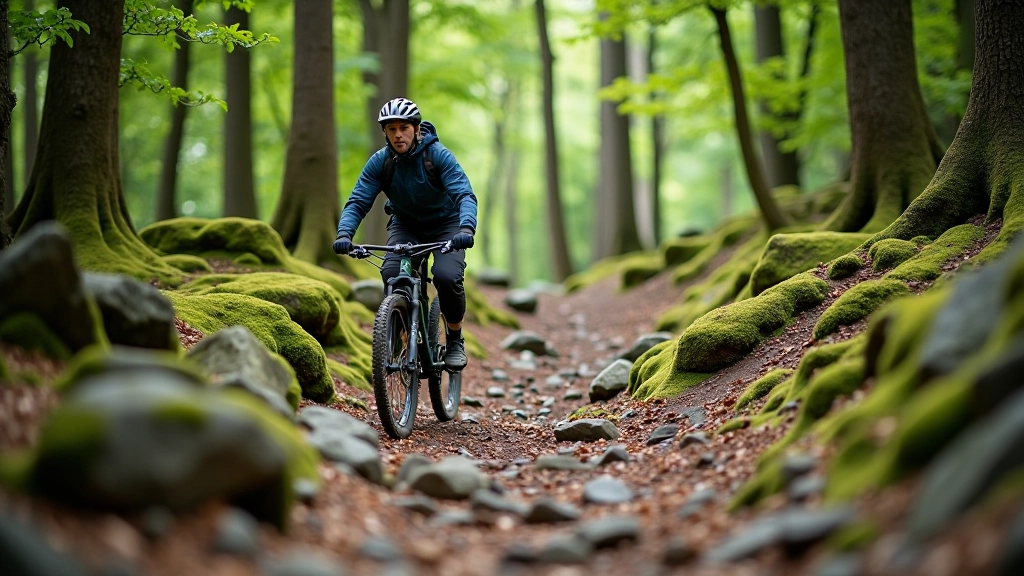
What You'll Actually Encounter
Real trail features that test different skills
Jump Line (Lower Section)
Three progressive jumps — first one's about 3ft, second hits 5ft, third stretches toward 7ft. Built naturally into the fall line so you can carry momentum between them.
Rock Garden Section
Roughly 80 meters of technical rock scattered across the trail. It's rideable but demands precise foot placement and smooth weight transfers. No way around it — you've got to commit.
Berm Line (Middle Section)
Four consecutive bermed turns stacked down a steep section. They're banked properly — if you've got speed and decent technique, you'll feel the bike working with the trail, not against it.
Root Technical Section
Upper trail has tight rooty sections where the forest canopy is thick. Slippery when wet. About 60 meters of this demands concentration and smooth throttle control.
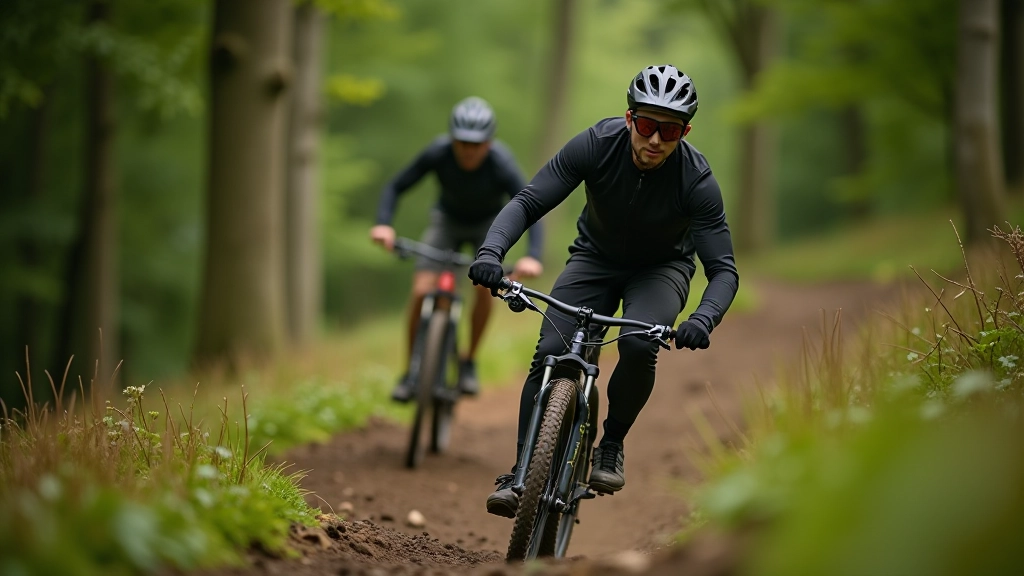
Riding Strategy That Actually Works
Don't just show up and attack. Start on the upper loops to warm up your body and get a feel for the ground conditions. Rocks shift. Mud patches move. What felt tacky in spring becomes slippery after rain. You'll want three warm-up runs before you're really ready to push the lower sections.
The jump line needs speed but not recklessness. Most people who struggle here are either going too slow (you'll case the landings) or too fast (you'll overshoot and lose control). Find your rhythm on the first jump — usually around 20-25 km/h works for intermediate riders — then let the trail flow carry you through the rest.
For the rock garden, momentum is your friend, but smooth inputs matter more than speed. Look ahead, commit to your line, and let your bike pick its way through. Don't grab the brakes mid-section — that's when people wash out.
Seasonal Conditions & Trail Status
Spring (March-May): Wet. The rooty sections are slick, and the rock garden drains poorly. You'll want good tire grip. Rock features are visible, though. Best to avoid right after heavy rain — the lower sections turn into channels of moving water.
Summer (June-August): Ideal window. Ground firms up, and the berms are tacky. This is when the jumps are most forgiving because landings aren't rock-hard. Midweek visits are quieter. Weekends bring more riders, which actually helps because the trails get more traffic and stay in better shape.
Autumn (September-November): Loose leaves hide roots and rocks. Grip decreases. The upper fireroad becomes slippery. Rock garden is still rideable but demands more precision. Short daylight hours mean you'll finish earlier than you expect.
Winter (December-February): Avoid unless you're genuinely skilled. Frost on rocks, muddy sections that stay wet for days, and the whole trail becomes treacherous. That said, if you do ride it in winter and nail it, you'll be seriously good.
"The jumps here are the best progression zone in Ireland. You can dial them in exactly to your skill level. Summer riding is just smooth — the ground is firm, the features are clear, and you can really focus on technique."
Bike Requirements & Setup Tips
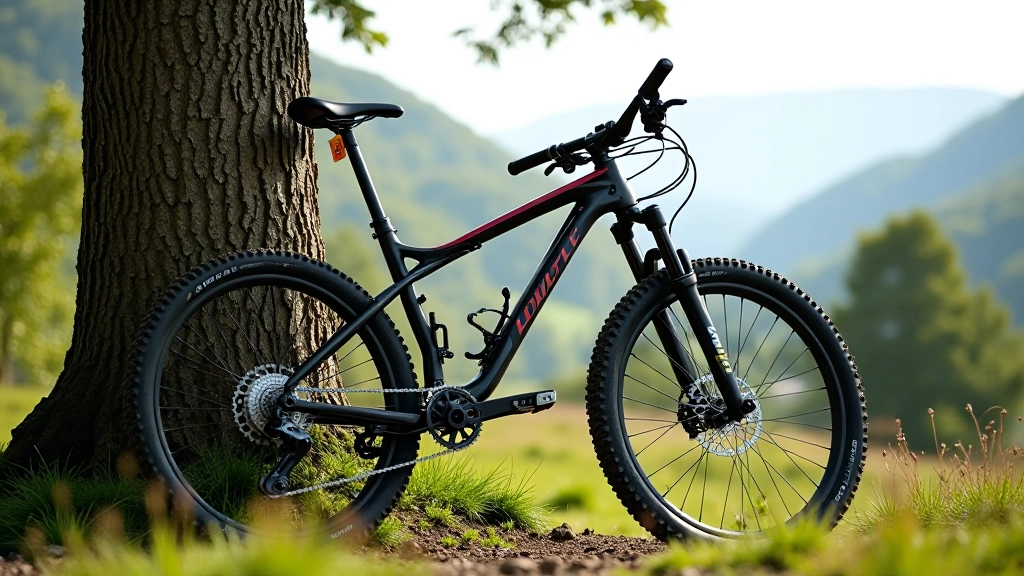
You'll want full suspension for this trail. Not hardtail. The repeated impacts from rock gardens and jumps will absolutely punish a rigid fork, and you'll lose control on the technical descents. 140-160mm of travel is ideal. Anything less and you're constantly bottoming out. Anything more and the bike feels sluggish climbing back up.
Tire pressure matters. Run too high and you'll skip off rocks. Too low and you'll pinch the rim on landing jumps. Most riders here are running 26-28 PSI in the rear, 24-26 PSI front. Start there and adjust based on feel. Aggressive tread pattern helps with root traction in wet conditions.
Brakes need to be reliable and responsive. Hydraulic disc brakes are non-negotiable — you need modulation on steep pitches, and cable brakes just won't cut it. Keep your pads fresh and your rotor clean. One locked wheel on the descent and you're in trouble.
Practical Tips Before You Go
Start Early
Get there by 10 AM on weekends. Parking fills up, and you want daylight for the full descent. The lower sections get sketchy without sun angles that let you see the trail properly.
Bring Tools
Multi-tool, spare tube, pump. The nearest shop is 20 minutes away. A puncture here isn't a quick walk out — you're hiking 45 minutes through forest with a bike if you're unprepared.
Wear Proper Gear
Full-face helmet on the descent. Gloves. Pads on knees and elbows if you're not confident. This isn't a fashion statement — the ground here is unforgiving, and hospital visits are expensive.
Check Weather
Heavy rain in the previous 48 hours? Skip it. The trails will be slick, drainage is poor in sections, and you'll spend more time walking than riding. Aim for dry, cool days — you'll actually have fun.
The Reality Check
Ballinastoe is worth the drive from Dublin. It's not pretentious or overly developed — just a solid mountain bike trail that challenges you and rewards good technique. You'll see riders of all levels here, which is refreshing. Nobody's trying to prove anything.
Plan for a full day. Bring good tires, good brakes, and honest self-assessment of your skills. Start on the upper trails, warm up properly, and work your way into the gnarlier sections. You'll probably eat dirt once or twice — that's part of it. The key is getting back up and figuring out what you did wrong so you don't repeat it.
Come summer when the ground's firm and visibility's good. That's when Ballinastoe is at its best. You'll understand why people keep coming back.

Related Trails & Guides
Important Notice
This guide is informational only. Trail conditions, difficulty levels, and features can change due to weather, maintenance, or natural shifts. Always check current trail status before visiting. Mountain biking involves inherent risks including falls, injury, and property damage. Wear appropriate safety equipment, ride within your skill level, and take responsibility for your own decisions. The author and website assume no liability for accidents, injuries, or damages that occur while using these trails. Respect local trail guidelines, stay on designated routes, and check weather forecasts before you go.